Sea Wall vs. Retaining Wall: Which Does Your Lakes Region Property Need?
Understand the difference before you invest in waterfront erosion protection
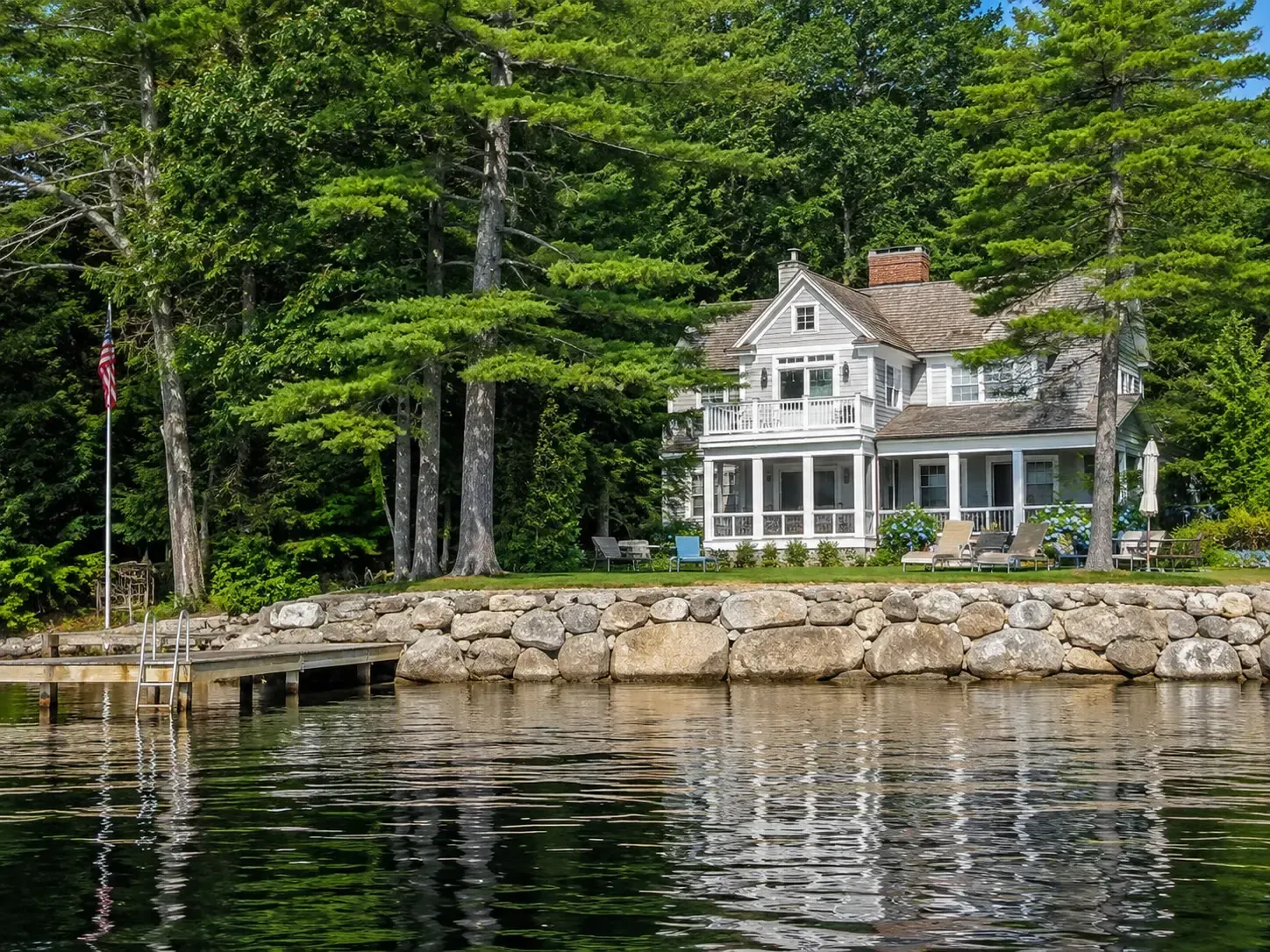
If you own waterfront property in Maine's Lakes Region, chances are you've dealt with some form of shoreline erosion, sloped land, or water damage concerns. Two of the most common solutions — sea walls and retaining walls — are often used interchangeably by homeowners, but they serve different purposes and are built differently. Choosing the wrong one can waste money or, worse, result in a structure that fails to protect your property.
At A.R. Cail & Son, we've built both sea walls and retaining walls for homeowners throughout the Lakes Region for years. Here's how to tell which one your property actually needs.
What Is a Sea Wall?
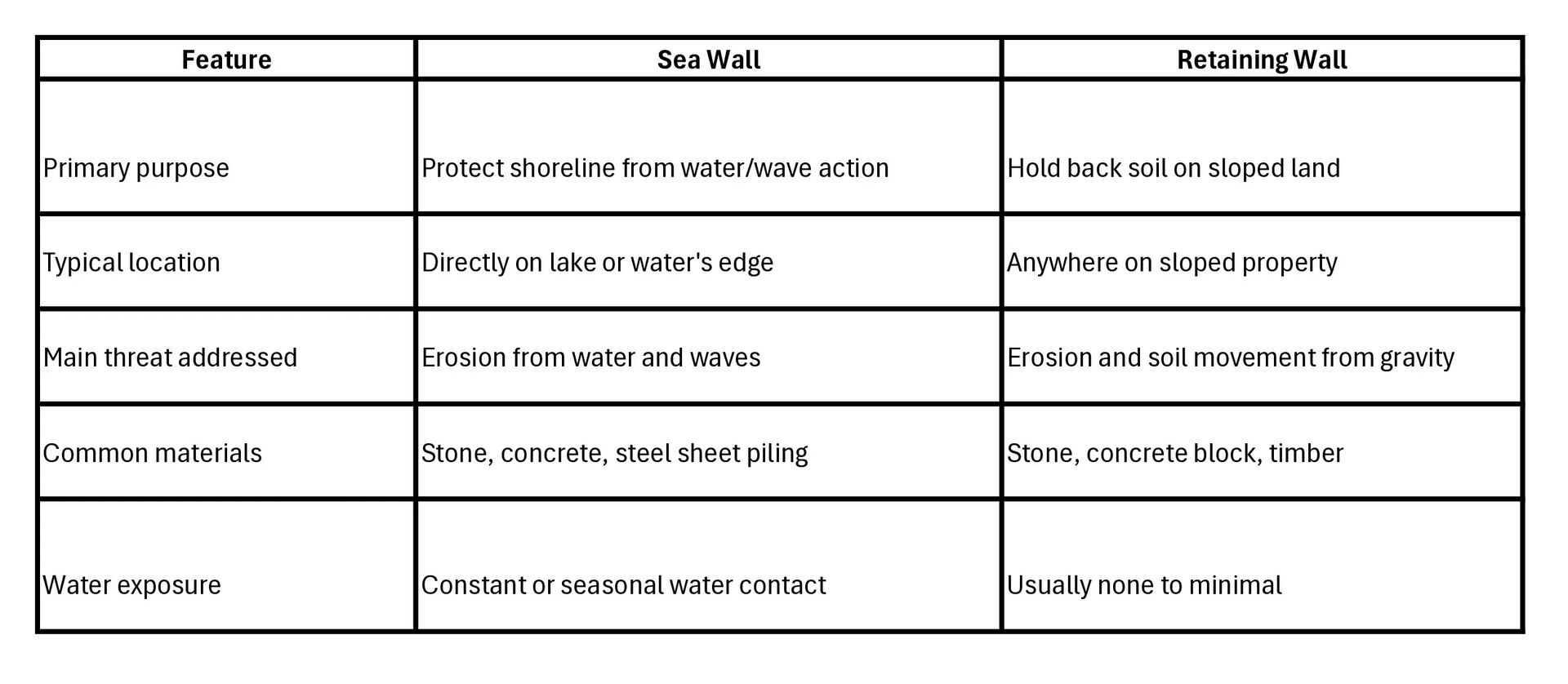
A sea wall is a structure built directly along a shoreline to protect the land from wave action, water erosion, and fluctuating water levels. Sea walls are designed to absorb or deflect the force of water and are typically used on lakefront or waterfront properties where the land meets the water directly.
Sea walls are ideal when:
- Your property sits directly on a lake, pond, or waterfront edge
- You're experiencing shoreline erosion from wave action or boat wakes
- Water levels fluctuate seasonally and threaten to undermine the shoreline
- You want to protect a dock, beach area, or waterfront structure
What Is a Retaining Wall?
A retaining wall is built to hold back soil on sloped land and prevent erosion or shifting, whether or not water is directly involved. Retaining walls are commonly used to level uneven yards, protect foundations, create usable outdoor space on a slope, or stabilize soil near a driveway or structure.
Retaining walls are ideal when:
- Your property has a slope or grade change that's eroding over time
- You want to create a flat, usable area on sloped land
- Soil is shifting near a foundation, driveway, or structure
- You're not directly on the water, but still dealing with drainage or erosion issues
Can You Need Both?
Yes — many Lakes Region properties benefit from both. For example, a property might need a sea wall to protect the immediate shoreline from wave erosion, plus a retaining wall further up the slope to manage soil movement and create a usable yard. A site evaluation is the best way to determine whether one or both make sense for your property.
Permitting Considerations for Waterfront Properties
Because sea walls involve construction near or in the water, they're often subject to state and local shoreline zoning regulations in Maine. Retaining walls set back from the water typically have fewer restrictions, though local permitting requirements still apply. Working with an experienced local excavation contractor helps ensure your project meets all necessary requirements from the start.
Not Sure Which One You Need? Let's Take a Look
A.R. Cail & Son has built sea walls and retaining walls for homeowners throughout the Lakes Region, including Sebago, Standish, Gray, and surrounding communities. We'll evaluate your property and recommend the right solution for your specific erosion or land management challenge.
FAQ
How do I know if my property needs a sea wall or a retaining wall?
It depends on where the erosion or land movement is happening. If it's directly at the water's edge, you likely need a sea wall. If it's on a slope away from the water, a retaining wall is usually the right solution.
Do I need a permit to build a sea wall in Maine?
In most cases, yes. Sea walls typically fall under Maine's shoreline zoning regulations, so permitting is required before construction begins.
How long does a sea wall or retaining wall typically last?
With proper construction and materials, both structures can last several decades, though sea walls generally require more maintenance due to constant water exposure.
Can a retaining wall help with drainage issues?
Yes, when designed properly, retaining walls can help redirect water flow and reduce erosion caused by drainage issues on sloped property.
Do you handle the permitting process for waterfront wall projects?
A.R. Cail & Son can help guide you through the permitting requirements for your specific project and location within the Lakes Region.
Recent Posts